
Guided by the University of Baguio’s vision, “In pursuit of perfection,” and its commitment to balanced, quality education through academic excellence in health care services, the School of Natural Sciences (SNS) continues to strengthen its mission as a dynamic, value-oriented community committed to advancing modern care systems.
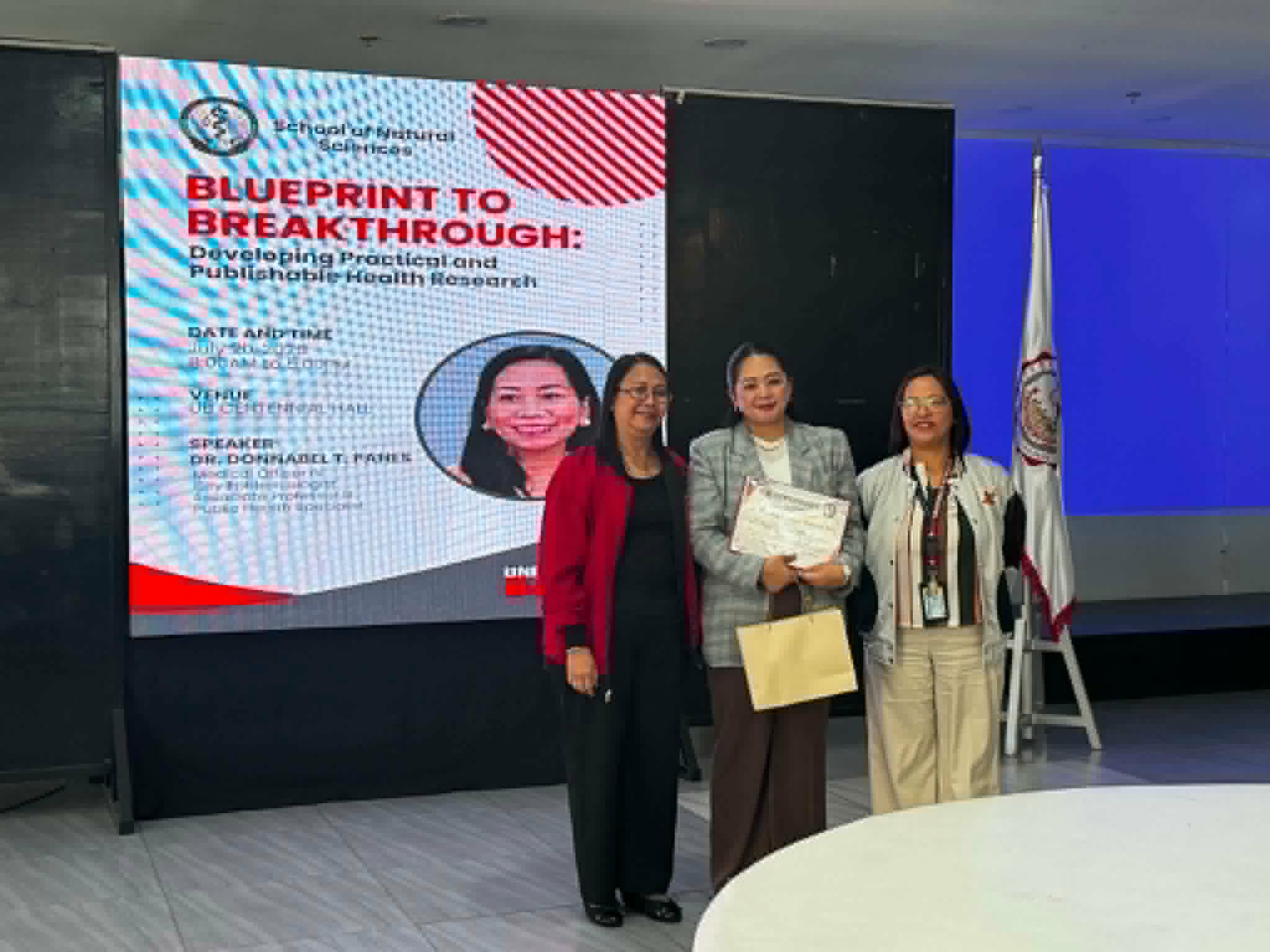
SNS faculty members convened for an in-service training (INSET) on creating useful and publishable health research on July 20, 2026. The sessions, led by Baguio City epidemiologist Dr. Donnabel T. Panes, focused on developing studies that are practical, pertinent, and able to guide action, and on grounding research in real-world health issues. Research was emphasized in the training to increase knowledge, address practical issues, and facilitate well-informed decision-making.
Advancing Health Care Systems in Modern Education
Adhering to relevant social skills and ethical values, the service training aids participating members in its mission to build a dynamic, value-oriented community committed to the advancement of modern health care systems. Fulfilling the commitment through research that responds to real community needs. Contributing to better decisions, improved services, and healthier communities.

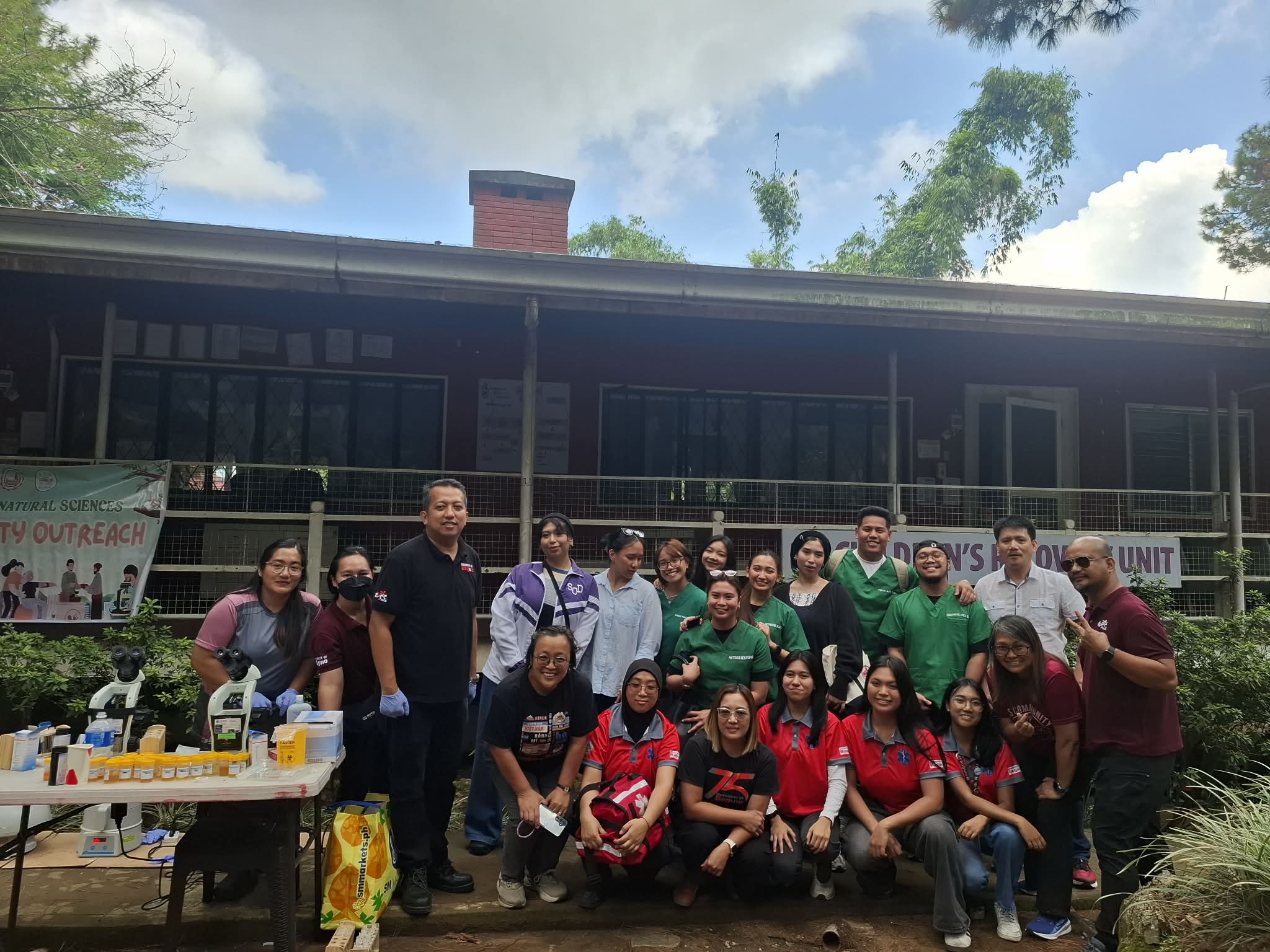
Alt Text: Esteemed participants from the UB’s School of Natural Sciences (SNS) during the July 2026 INSET
Faculty members created and submitted capsule research proposals during a research workshop led by Dr. Adelle Sanchez, the SNS Research Anchor Person, which marked the conclusion of the INSET. By motivating faculty researchers to conduct studies that can produce evidence, guide practice, and ultimately help address community concerns, the activity signaled a shift from learning to action.
The discussions highlighted local research opportunities, coherent with the Sustainable Development Goals (SDGs):
- SDG 3: Good Health and Well-Being – Hands-on and theoretical discussions in areas such as infectious diseases, noncommunicable diseases, health systems, aging, rehabilitation, and laboratory services.
- SDG 4: Quality Education – with the goal of producing research that matters. Faculty and student research should move beyond the classroom and research paper toward findings, recommendations, and innovations that can help improve health services, inform decisions, and respond to community needs.
As SNS continues to build its research culture, faculty members and students are called to ask not only “What can we study?” but more importantly, “What difference can our research make?”
The activity reinforced an important role of teachers: to be researchers and research mentors who turn questions into evidence and evidence into action. Faculty research can enrich teaching, while research mentoring can help students develop studies that go beyond academic requirements and contribute to addressing health concerns in the communities they serve.
—
Written by: Ruth D. Fernandez
Article Enhancement by: Gabriel Madriaga