
Written by Angelica Tamayo and Mae Janica Palkit (International Affairs Staff, Linkages Office)
In November 2024, the University of Baguio (UB) and the National Taiwan University (NTU) formalized their partnership through a Memorandum of Understanding (MOU), marking a significant milestone in UB’s internationalization agenda. The agreement seeks to foster academic cooperation through joint initiatives such as the exchange of information, faculty and student exchanges, joint academic and community service activities, collaborative research and publications, English proficiency programs, and projects aligned with the United Nations Sustainable Development Goals (SDGs).
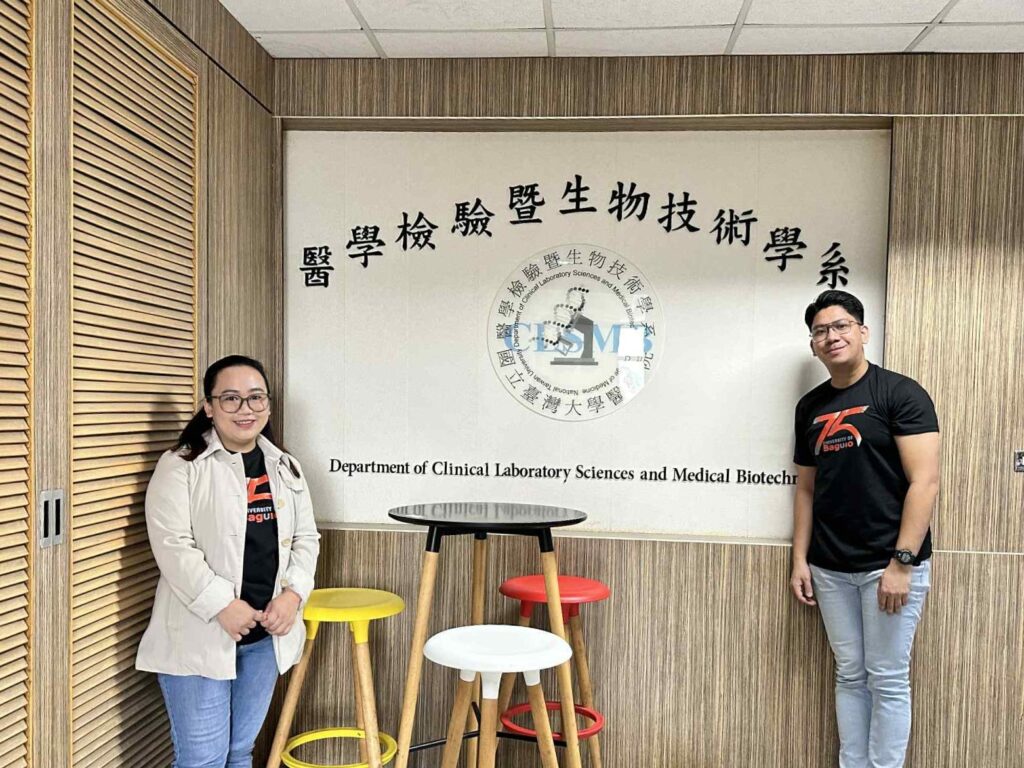
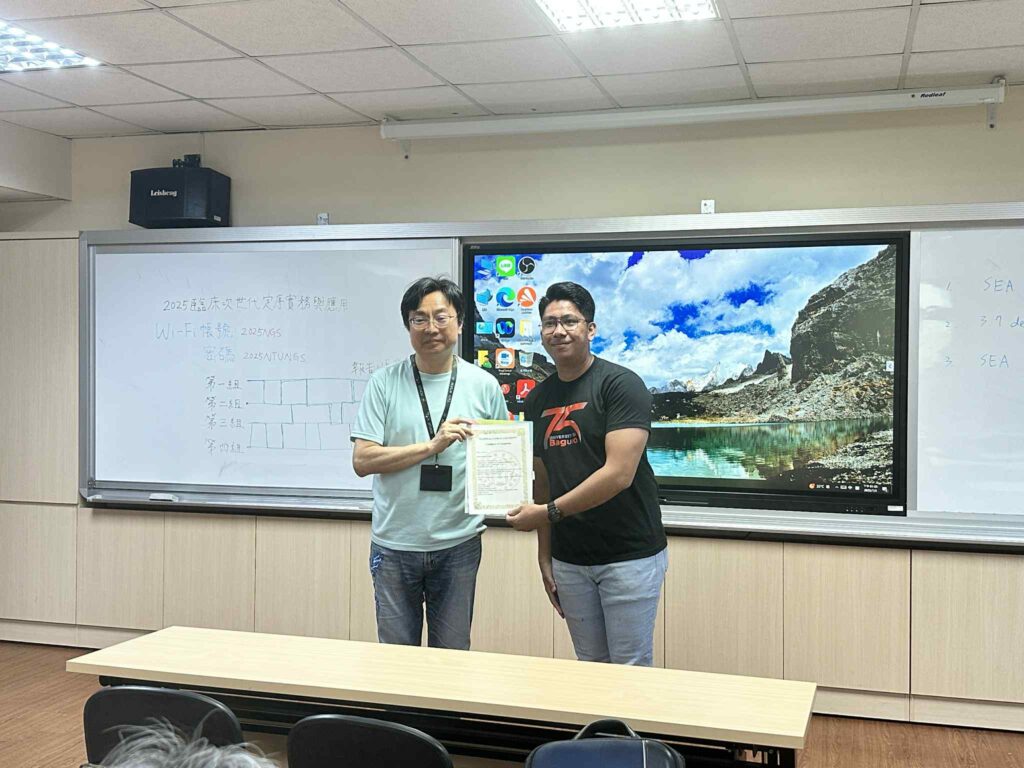
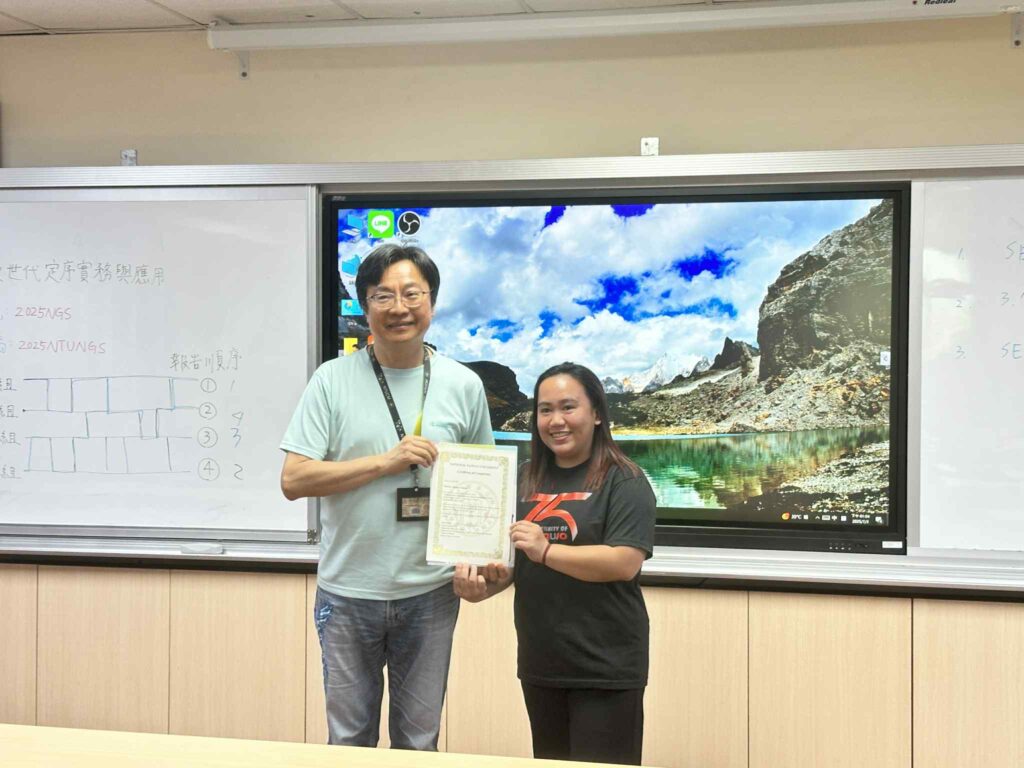
Advancing Capacity through Training
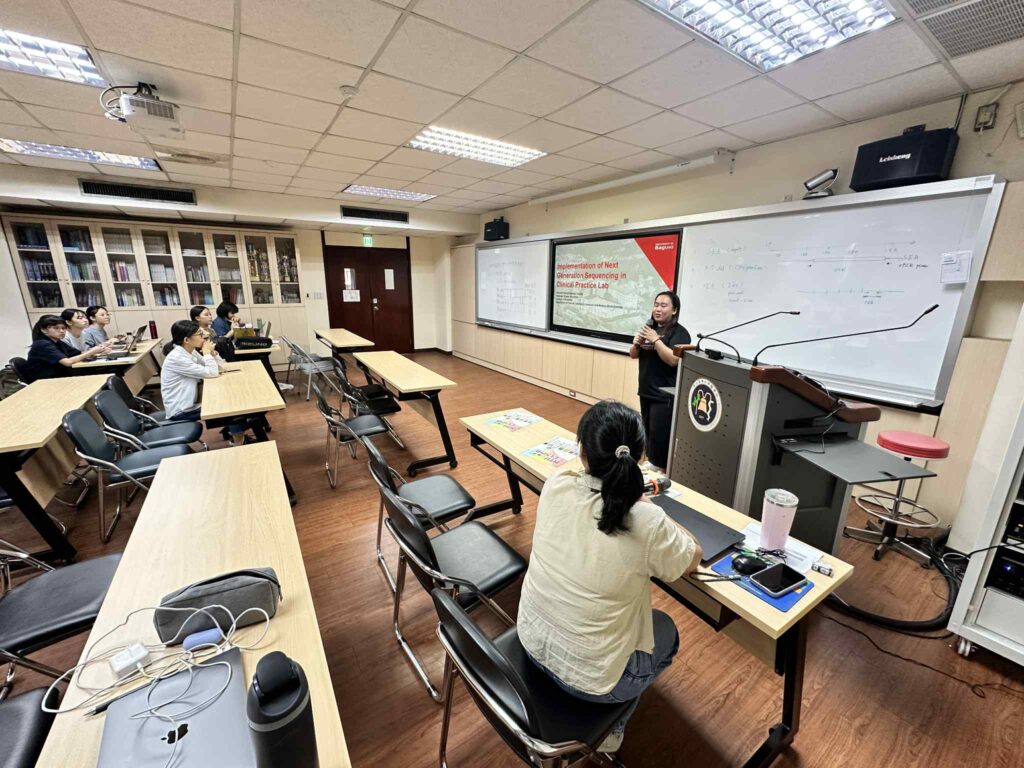
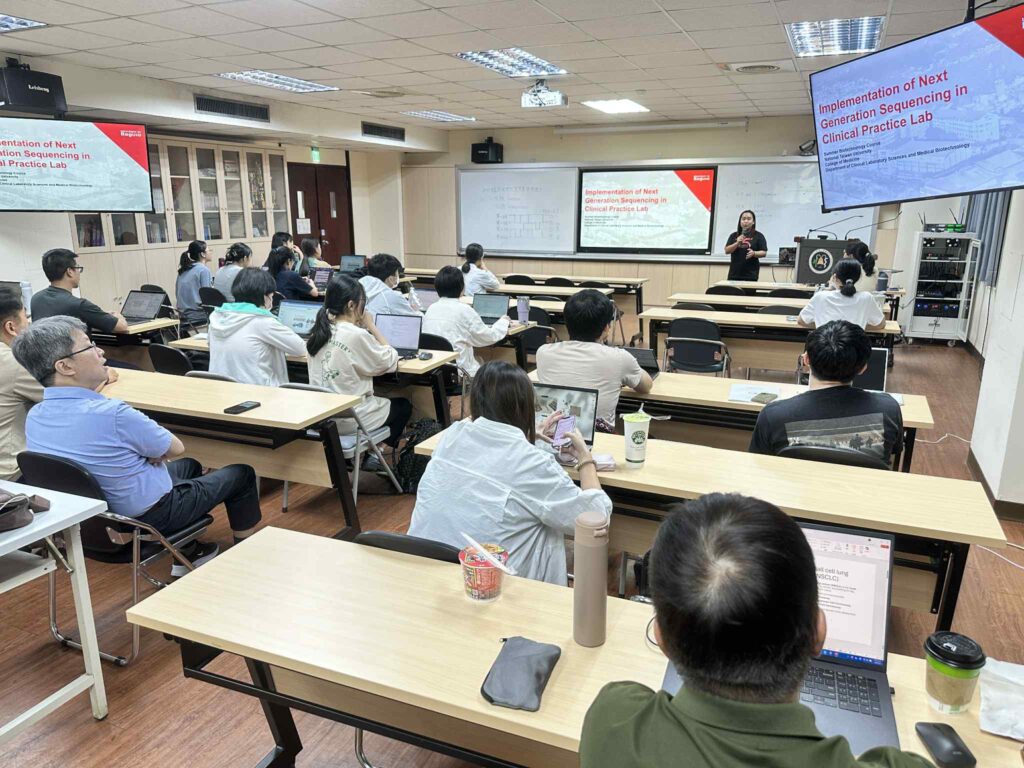
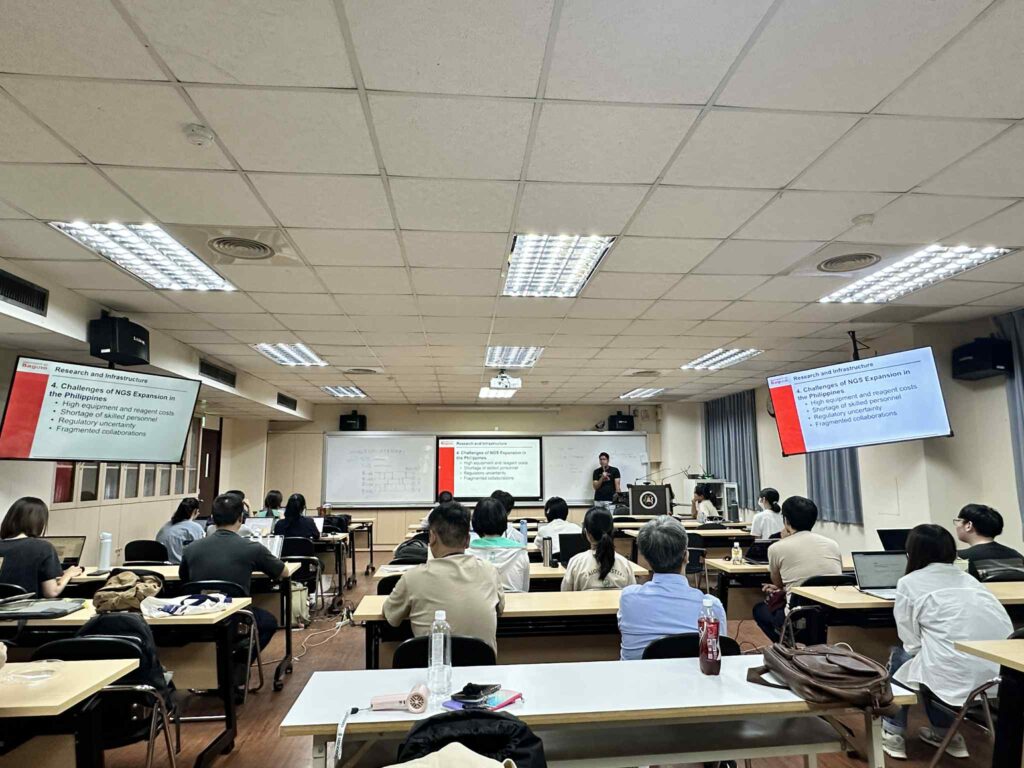
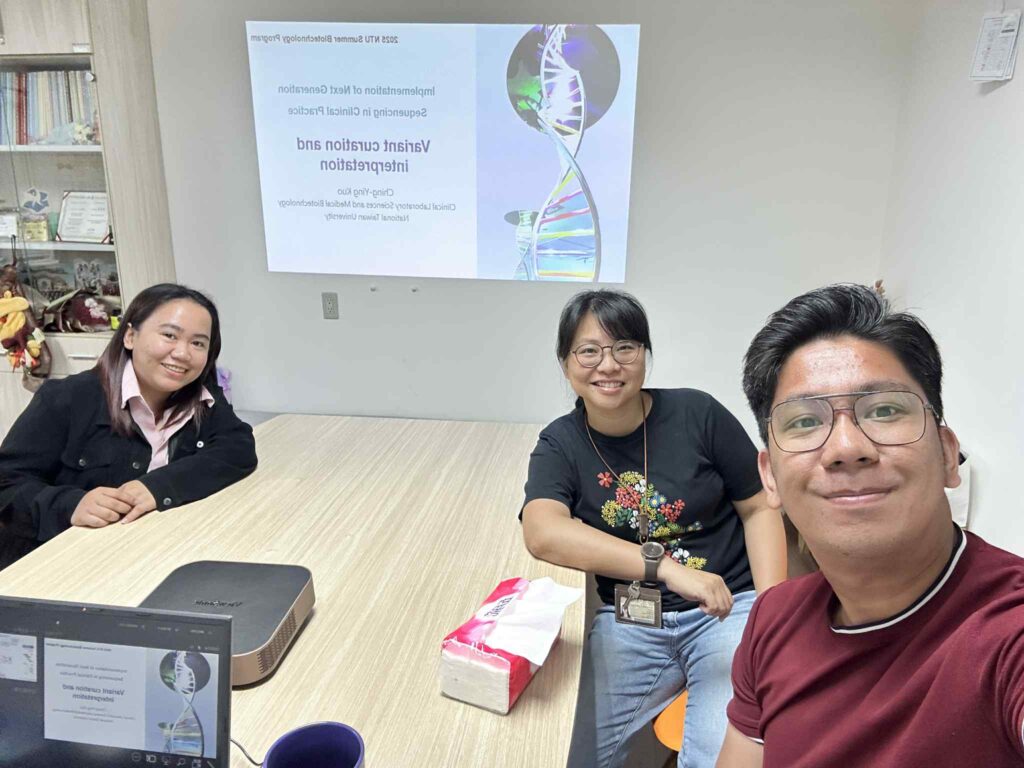
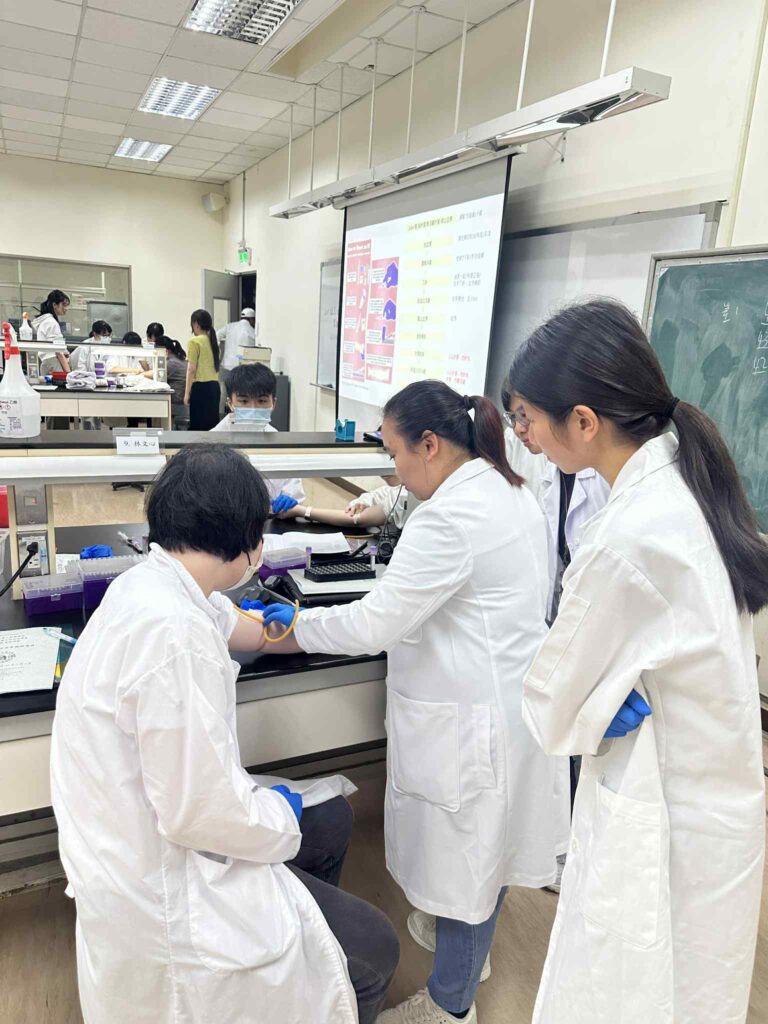
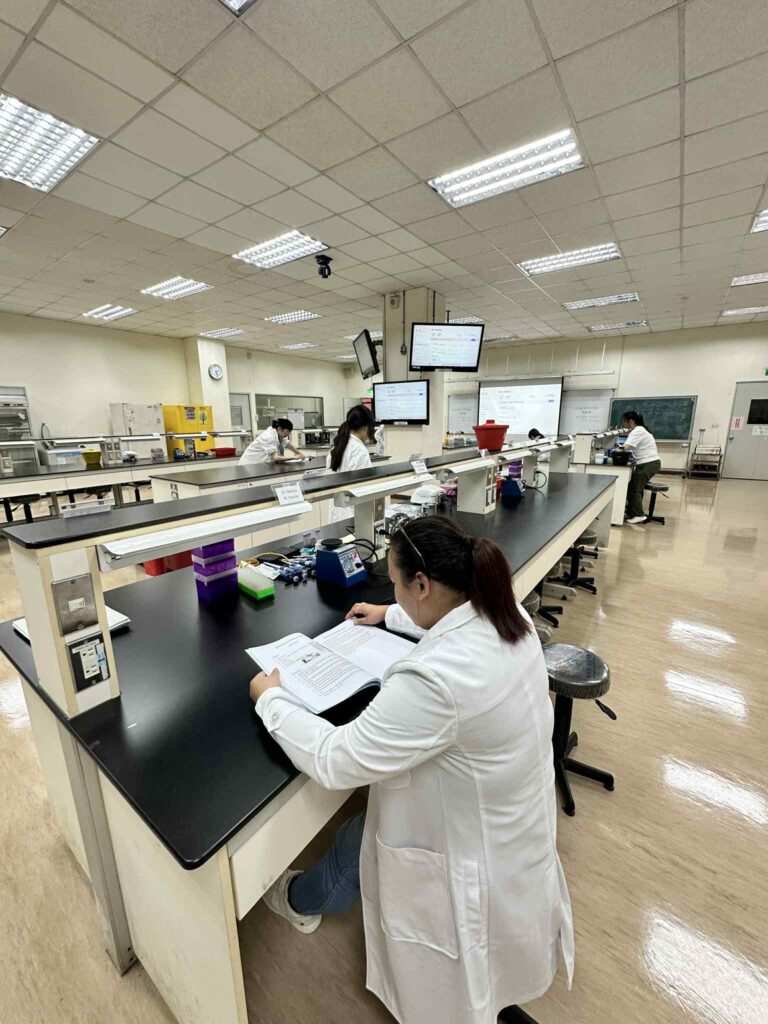
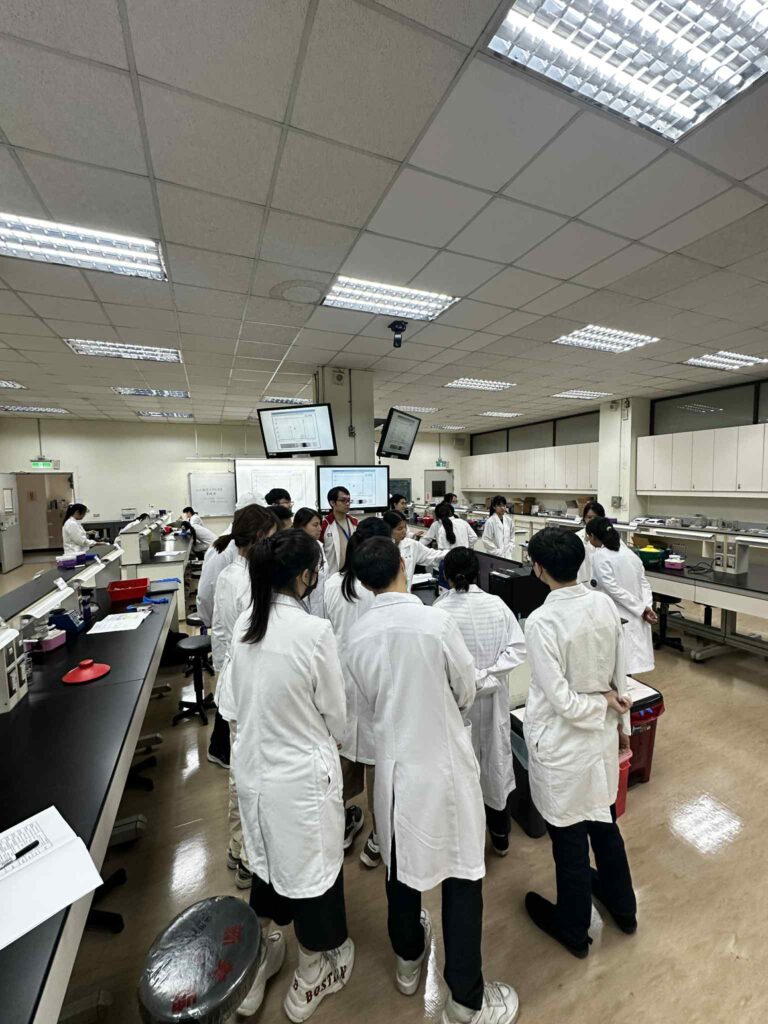
As an initial outcome of this partnership, four faculty members from UB’s School of Natural Sciences participated in the Multi-Omics Analysis and Applications in Precision Medicine Laboratory Course at NTU’s College of Medicine. The program combined lectures, laboratory experiments, and bioinformatics workshops designed to highlight the integration of genomics, transcriptomics, proteomics, and microbiome analysis in advancing precision medicine.
Participants engaged in state-of-the-art methodologies, including:
- RNA Sequencing (RNA-seq): RNA extraction, quantification, and transcriptome profiling.
- 16S rRNA Sequencing: Microbiome analysis through PCR and library preparation.
- Proteomics: Quantitative analysis using liquid chromatography–mass spectrometry (LC-MS).
- Bioinformatics: Differential expression analysis, pathway mapping, and gene network enrichment.
At the culmination of the training, the UB team proposed a translational study on biomarker discovery for ischemic heart disease progression, utilizing single-cell RNA sequencing, RT-PCR validation, proteomic profiling, and ELISA assay development. This proposal underscored UB’s growing capacity to contribute to global research on precision medicine.
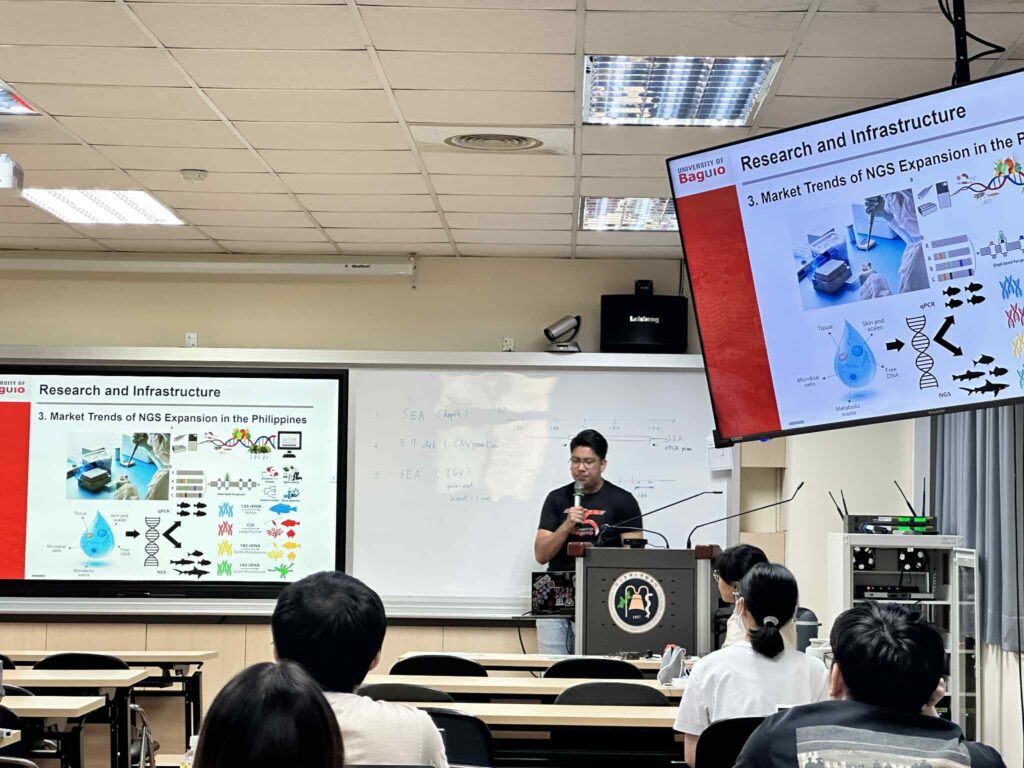
Insights from NTU and the Role of Local Partnerships
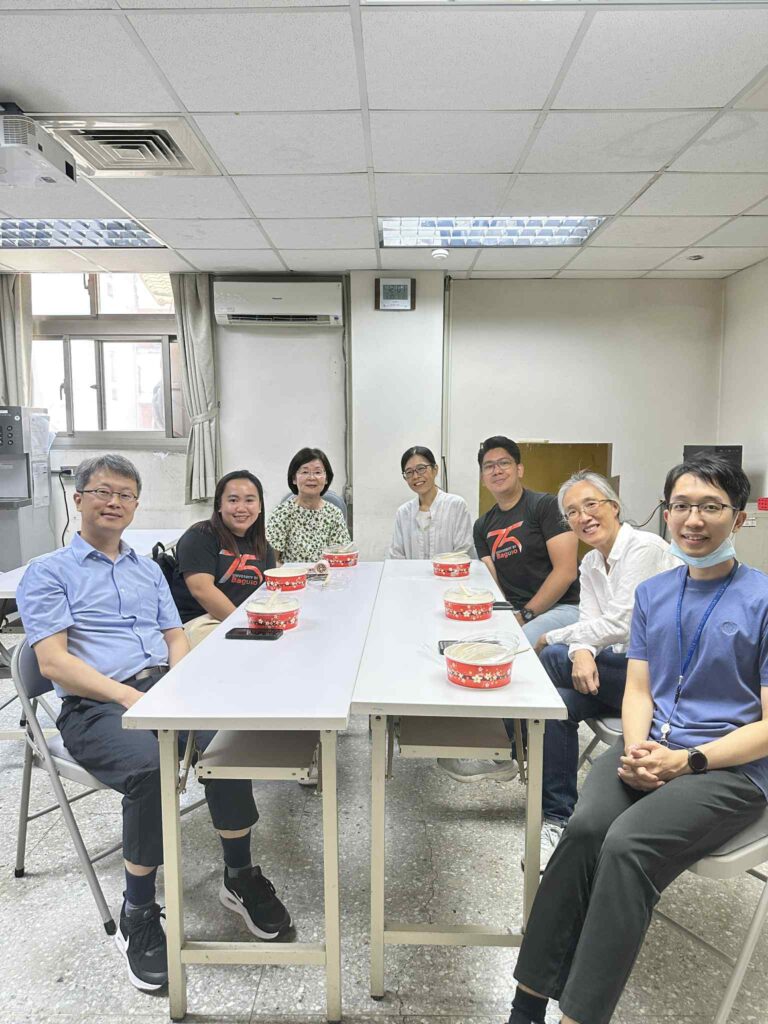
Professor Yang, Chairman of NTU’s College of Medicine, emphasized three critical areas for UB’s success in research translation:
- Access to Clinical Samples – Building strong partnerships with local hospitals such as Baguio General Hospital and Medical Center (BGHMC) will be essential to ensure high-quality data with complete clinical information.
- Academic–Clinical Linkages – UB researchers must actively engage clinicians by demonstrating the mutual benefits of collaborative research.
- Diagnostic Translation – Research outcomes should ultimately lead to practical applications, such as ELISA kits for early disease detection.
These recommendations point to the importance of strengthening local and international collaborations to bridge the gap between laboratory discoveries and clinical applications.
Strategic Value of the UB–NTU Partnership
The UB–NTU collaboration demonstrates the transformative potential of international academic linkages. It provides UB access to NTU’s cutting-edge biomedical facilities while enhancing its own capacity to contribute to global health solutions. Key benefits of the partnership include:
- Capacity Building: Training faculty and students in advanced methods not yet widely available in the Philippines.
- Joint Research: Pooling expertise in public health, medical technology, and biomedical sciences to address priority diseases such as cardiovascular disease, cancer, and infectious diseases.
- Data and Resource Sharing: Creating collaborative platforms for bioinformatics datasets and protocols.
- Mobility and Exchanges: Facilitating faculty and student exchanges, joint lectures, and workshops.
- Visibility and Rankings: Producing co-authored publications in high-impact journals and participating in international conferences.
- Sustainability: Pursuing regional and international grant opportunities (ASEAN, NIH, WHO, NSTC-Taiwan).
Such outcomes not only strengthen UB’s research and academic standing but also reinforce its mission to serve both the local community and the global scientific community.
Contribution to the United Nations Sustainable Development Goals
The UB–NTU partnership strongly aligns with the UN SDGs, particularly:
- SDG 3: Good Health and Well-Being – Through research in precision medicine, the partnership directly addresses global health challenges by focusing on early disease detection, biomarker discovery, and translational diagnostics.
- SDG 4: Quality Education – Faculty and student exchanges, training programs, and capacity-building initiatives enhance the quality of education at UB, ensuring its students and researchers are globally competitive.
- SDG 17: Partnerships for the Goals – This collaboration exemplifies how international partnerships can drive innovation, resource sharing, and institutional growth, while also strengthening regional and global research networks.
By aligning with these goals, UB affirms its commitment to advancing both local and global priorities in health, education, and sustainable development.

Moving forward towards a sustainable partnership
In the interest of maximizing the impact of this collaboration, UB plans to pursue the following strategies:
- Strengthen Local Partnerships – Work closely with BGHMC and other hospitals to ensure availability of clinical samples with ethical clearance and full clinician engagement.
- Enhance Research Infrastructure – Invest in laboratory capacity for qPCR, ELISA, proteomics, and bioinformatics.
- Implement the UB–NTU MOA – Expand collaborations in joint research, exchanges, data sharing, and co-authored outputs.
- Develop Capacity-Building Programs – Launch short courses, certificate programs, and joint training modules on multi-omics and precision medicine.
- Engage Students – Integrate undergraduate and graduate students into research activities to cultivate the next generation of Filipino scientists.
- Expand Regionally – Use the UB–NTU model as a platform to establish a broader network of ASEAN partners in precision health.
The UB–NTU partnership marks a new chapter in the University of Baguio’s pursuit of academic excellence and global engagement. By fostering joint research, capacity building, and student mobility, the collaboration not only strengthens UB’s institutional growth but also contributes to advancing health and education globally.
More importantly, the partnership underscores the university’s commitment to the United Nations Sustainable Development Goals, particularly SDG 3 and SDG 4, ensuring that UB remains a dynamic player in the global academic and research landscape while delivering meaningful impact to its local community.